


Insights into Grading and Drainage Basics

Proper site preparation is fundamental to any successful construction project. Among the most critical aspects are grading and drainage, which ensure the longevity and safety of both residential and commercial properties. When we carefully plan and execute these elements, we protect structures from water damage, soil erosion, and foundation issues. In this article, we will explore the essential principles of grading and drainage basics, providing practical insights and actionable recommendations to help you understand their importance and implementation.
Understanding Grading and Drainage Basics
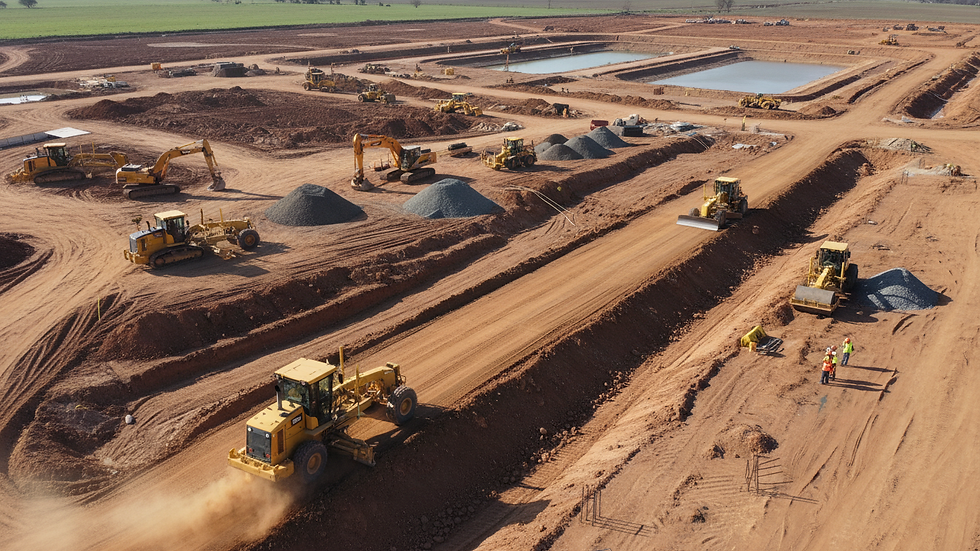
Grading refers to the process of shaping the land surface to direct water flow away from buildings and other structures. It involves adjusting the slope and contour of the terrain to promote proper runoff. Drainage, on the other hand, is the system that manages water flow, preventing accumulation and potential damage.
A well-designed grading plan typically includes a gentle slope away from the foundation, usually a minimum of 2% grade or 1/4 inch per foot for at least 10 feet. This slope ensures that rainwater and irrigation do not pool near the building, which could lead to foundation weakening or basement flooding.
Drainage systems complement grading by channeling water through gutters, downspouts, swales, and underground pipes. These components work together to collect and redirect water safely to storm drains or natural water bodies.
Practical Example: Residential Property
Imagine a home in Los Angeles with a flat yard that slopes toward the house. Without proper grading, rainwater will accumulate near the foundation, increasing the risk of leaks and structural damage. By regrading the yard to slope away from the house and installing a French drain system, water is effectively diverted, protecting the home and preserving the landscape.

Key Components of Effective Grading and Drainage
To achieve optimal results, several components must be considered in grading and drainage design:
Surface Grading: Establishing the correct slope and contour to direct surface water.
Subsurface Drainage: Installing systems like perforated pipes or gravel trenches to manage groundwater.
Erosion Control: Using vegetation, retaining walls, or geotextiles to prevent soil loss.
Stormwater Management: Designing retention basins or rain gardens to handle heavy rainfall.
Soil Analysis: Understanding soil type to determine permeability and drainage capacity.
Each element plays a vital role in maintaining site stability and preventing water-related issues. For example, clay soils common in some Los Angeles areas have low permeability, requiring more robust drainage solutions compared to sandy soils.
Actionable Recommendation
Before beginning any grading work, conduct a thorough site assessment including soil testing and topographic surveys. This information guides the design process and ensures that grading and drainage systems are tailored to the specific conditions of the property.
The Role of Regulations and Best Practices
Compliance with local regulations and industry standards is essential in grading and drainage projects. Los Angeles has specific codes that govern stormwater management and erosion control to protect the environment and public infrastructure.
We recommend consulting with civil engineers and local authorities early in the planning phase. This collaboration helps avoid costly revisions and ensures that designs meet all legal requirements.
Best practices include:
Maintaining Positive Drainage: Always ensure water flows away from structures.
Incorporating Sustainable Solutions: Use permeable surfaces and natural landscaping to reduce runoff.
Regular Maintenance: Inspect and clean drainage systems to prevent blockages.
Documenting Changes: Keep detailed records of grading alterations for future reference.
By adhering to these principles, property owners can safeguard their investments and contribute to community resilience.
Integrating Grading and Drainage with Structural Design
Grading and drainage do not exist in isolation; they must be integrated with the overall structural design of a property. Foundations, retaining walls, and landscaping features all interact with water flow and soil stability.
For example, retaining walls require proper drainage behind them to relieve hydrostatic pressure. Without this, walls may crack or fail. Similarly, foundation designs must account for soil moisture levels influenced by grading and drainage.
Collaborating with structural engineers ensures that all elements work harmoniously. This integrated approach results in safer, more durable buildings that withstand environmental challenges.
Enhancing Property Value and Longevity
Investing in well-planned grading and drainage systems yields long-term benefits. Properties with effective water management experience fewer maintenance issues, reduced risk of damage, and improved curb appeal.
Moreover, sustainable drainage solutions can enhance landscaping aesthetics and support local ecosystems. Rain gardens and bioswales, for instance, filter pollutants and provide habitat for native plants and wildlife.
By prioritizing these design elements, we not only protect our properties but also contribute positively to the environment and community.
Moving Forward with Confidence
Understanding the fundamentals of grading and drainage basics empowers us to make informed decisions about site development. Whether managing a residential yard or a commercial lot, attention to these details is crucial for safety, sustainability, and structural integrity.
We encourage property owners to engage experienced professionals who can deliver tailored solutions that meet both regulatory standards and practical needs. Together, we can create environments that are resilient, functional, and built to last.
For those interested in exploring more about grading and drainage design, we invite you to connect with experts who specialize in comprehensive engineering services tailored to the unique demands of Los Angeles properties.


Comments